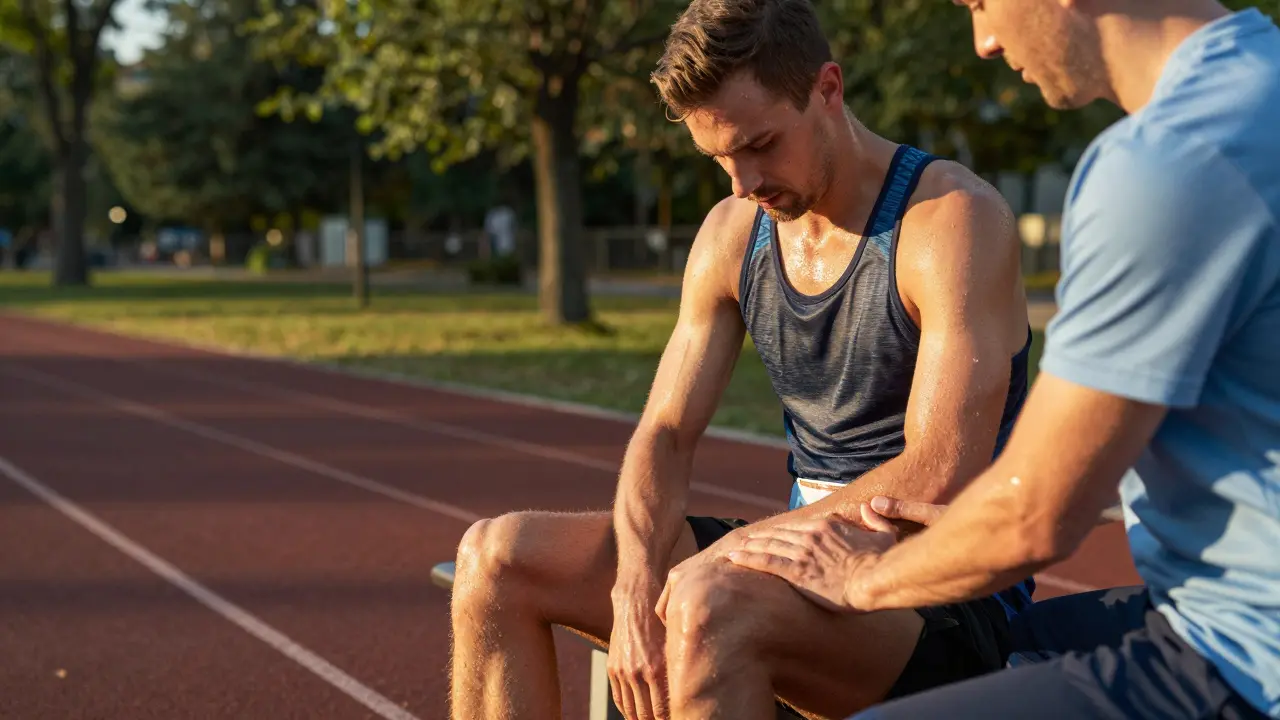
Imagine this: you just finished a grueling 10K run, your legs feel like concrete, and every step hurts. You stretch, you ice, you sleep-but still, the soreness sticks around for days. What if there was a proven way to cut that recovery time in half? That’s not a fantasy. It’s what sports massage does every day for athletes and active people around the world.
What Exactly Is Sports Massage?
Sports massage isn’t just a deep tissue rubdown. It’s a targeted form of manual therapy designed specifically for people who move their bodies hard and often. Unlike relaxation massage, which aims to calm the nervous system, sports massage focuses on improving muscle function, reducing tension, and speeding up healing. It’s used before events to prepare muscles, during training to prevent injury, and after exertion to accelerate recovery.
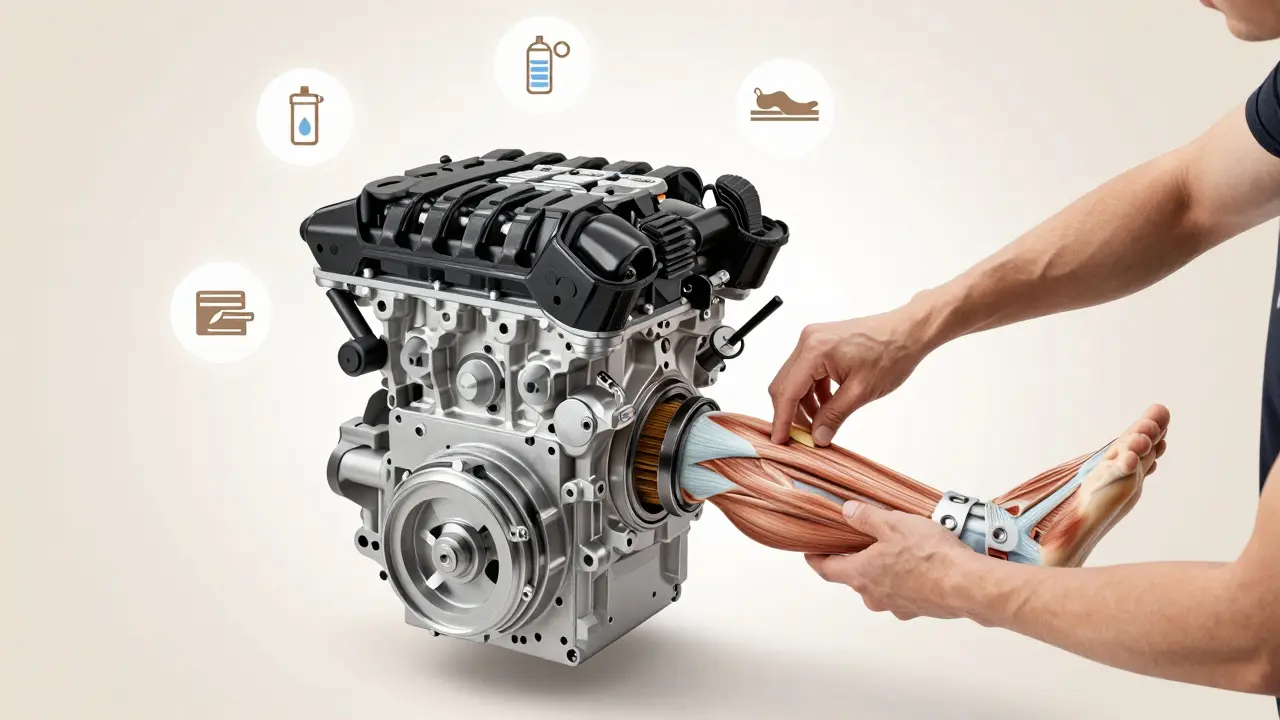
Think of it like tuning a high-performance engine. You don’t just change the oil-you check the belts, clean the filters, and adjust the timing. Sports massage does the same for your muscles, tendons, and connective tissue. It’s not magic. It’s science.
How It Speeds Up Recovery
When you train hard, your muscles develop tiny tears. That’s normal. But if those tears don’t heal properly, you risk chronic soreness, stiffness, or even injury. That’s where sports massage comes in.
Here’s how it works:
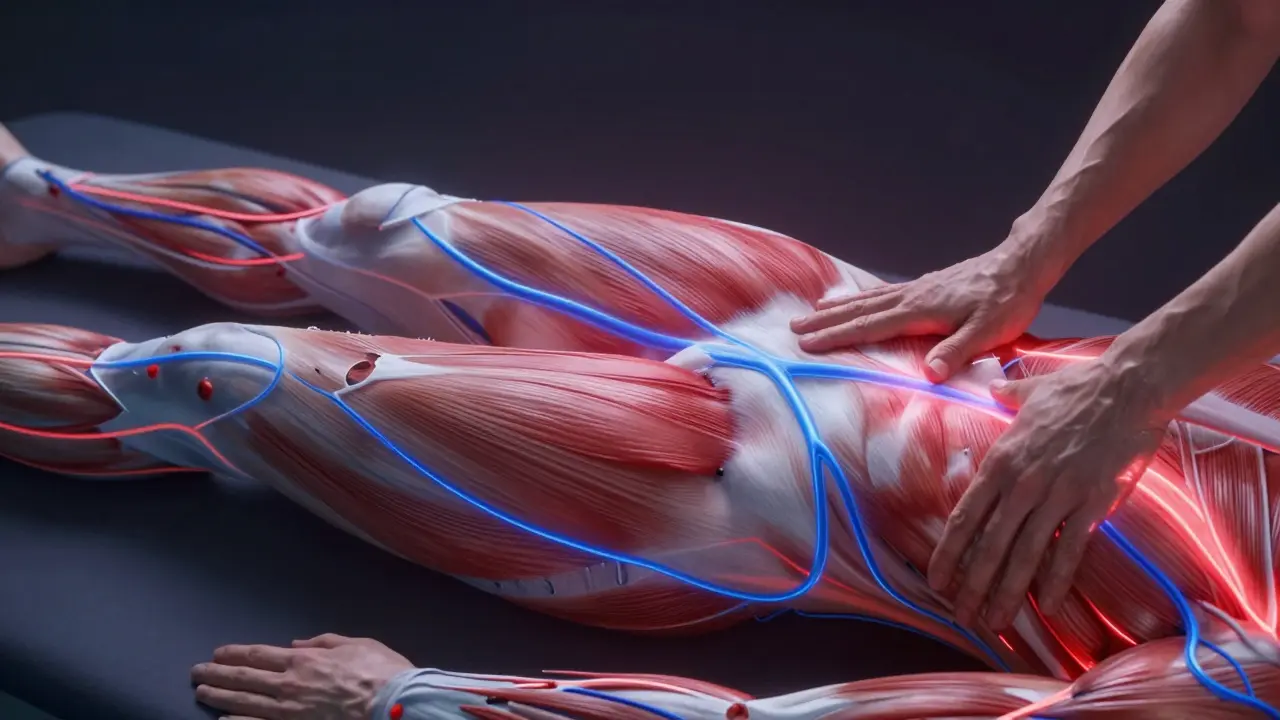
- Increases blood flow: Pressure and movement during massage help pump oxygen-rich blood into fatigued muscles. One study from the Journal of Athletic Training found that massage increased circulation by up to 30% in treated areas compared to rest alone.
- Reduces lactic acid buildup: While lactic acid isn’t the main cause of soreness (as once thought), massage helps flush out metabolic waste products that contribute to inflammation and discomfort.
- Breaks down scar tissue: Repeated strain creates adhesions-sticky spots between muscle fibers. Massage helps separate them, restoring natural glide and flexibility.
- Calms the nervous system: After intense activity, your body stays in fight-or-flight mode. Massage triggers the parasympathetic response, lowering cortisol and helping you relax deeper than sleep alone.
One runner from Đà Nẵng, 34, started getting weekly sports massages after a hamstring strain that took 8 weeks to heal. After just 3 sessions over 2 weeks, he was back to running without pain. He didn’t just recover-he came back stronger.
When to Get a Sports Massage
Timing matters. Getting a massage at the wrong time can do more harm than good.
- Before training or competition: A light, stimulating session 24-48 hours before helps warm up muscles, improve range of motion, and mentally prepare you. Avoid deep pressure right before an event-it can leave you too relaxed or sore.
- After training: This is the sweet spot. Within 2 hours post-workout is ideal. The sooner you get in, the faster inflammation drops. Even 20 minutes of focused massage can reduce next-day soreness by nearly 50%.
- During heavy training cycles: If you’re training 5+ days a week, weekly sessions help prevent overuse injuries. Many professional teams schedule massages every other day during peak season.
- For injury recovery: Once acute swelling goes down (usually after 48-72 hours), massage helps guide tissue healing. Always consult a physiotherapist first if you have a diagnosed injury.
Who Benefits the Most?
You don’t have to be a pro athlete to benefit. Sports massage helps anyone who pushes their body beyond its comfort zone:
- Marathon runners and triathletes
- Weightlifters and CrossFit athletes
- Recreational cyclists and hikers
- Team sport players (soccer, basketball, volleyball)
- People recovering from surgery or long periods of inactivity
- Even desk workers with chronic shoulder or lower back tightness
One study tracked 120 amateur athletes over 6 months. Those who got regular sports massages reported 40% fewer missed training days due to soreness or minor injuries. That’s not a small win-it’s the difference between staying consistent and quitting.
What to Expect During a Session
A typical sports massage lasts 60-90 minutes. The therapist will start by asking about your training routine, injuries, and areas of tightness. Then they’ll use a mix of techniques:
- Effleurage: Long, gliding strokes to warm up tissue.
- Petrissage: Kneading and squeezing to release deep tension.
- Friction: Focused pressure on knots or scar tissue.
- Trigger point therapy: Holding pressure on specific points to release referred pain.
- Stretching and mobilization: Passive movements to restore joint range.
You might feel some discomfort-especially if you’re dealing with old injuries-but it should never be sharp or unbearable. Good therapists adjust pressure based on your feedback. Communication is key.
Common Myths About Sports Massage
There’s a lot of misinformation out there. Let’s clear a few up:
- Myth: It’s just for athletes. False. Anyone who sweats, walks fast, or lifts groceries can benefit. Your body doesn’t care if you’re a pro or a parent.
- Myth: You need to be sore to get one. No. Prevention is better than cure. Many people start before they’re injured.
- Myth: It hurts a lot. Deep pressure isn’t always better. A skilled therapist uses just enough pressure to trigger healing-not pain.
- Myth: One session fixes everything. Recovery is cumulative. Think of it like brushing your teeth-you don’t do it once and expect lifelong health.
How Often Should You Get One?
There’s no one-size-fits-all answer. It depends on your activity level:
- Elite athletes: 2-3 times per week during competition season
- Regular gym-goers (4-5x/week): Once a week
- Recreational exercisers (2-3x/week): Every 2-3 weeks
- Beginners or returning from injury: Start with weekly, then taper to biweekly
If you’re on a budget, even monthly sessions can make a noticeable difference. Consistency beats intensity.
What to Avoid
Not all massages are created equal. Here’s what to watch out for:
- Don’t go to a spa that only offers “relaxation” or “aromatherapy” massages if you’re serious about recovery.
- Avoid therapists who don’t ask about your training routine or injuries.
- Don’t book a massage right after a hard workout if you’re still swollen or hot to the touch-wait at least 2 hours.
- Never get a massage if you have an open wound, fever, or acute inflammation (first 48 hours after injury).
Pair It With Other Recovery Tools
Sports massage works best as part of a system. Combine it with:
- Hydration: Drink at least 2 liters of water the day after a massage to help flush toxins.
- Light movement: Go for a walk or do gentle yoga the next day. Don’t sit still.
- Proper sleep: Growth hormone peaks during deep sleep. Massage helps you get there faster.
- Compression gear: Wearing compression socks or tights after a session can enhance circulation.
- Contrast therapy: Alternating hot and cold showers can amplify the effects of massage on blood flow.
One triathlete in Hanoi combined weekly sports massage with ice baths and 8 hours of sleep. She cut her recovery time from 5 days to 2 after a half-Ironman. That’s 3 extra days of training every month.
Final Thought: Recovery Isn’t Optional
Training is only half the equation. Recovery is where real progress happens. You don’t get stronger in the gym-you get stronger when you rest. And if you’re not recovering well, you’re not just slowing down-you’re risking injury.
Sports massage isn’t a luxury. It’s a tool. One that’s been used by Olympians, military units, and everyday people who refuse to let soreness dictate their lives. It doesn’t cost a fortune. It doesn’t require special gear. Just time, consistency, and the willingness to listen to your body.
Next time you feel that deep ache after a workout, don’t just wait for it to fade. Do something about it. Your future self will thank you.
Sports massage có giúp giảm đau cơ sau khi tập không?
Có, và đây là một trong những lý do chính mà vận động viên sử dụng liệu pháp này. Các nghiên cứu cho thấy massage thể thao có thể giảm đau cơ sau tập lên đến 50% chỉ sau một buổi. Nó hoạt động bằng cách tăng lưu lượng máu, giảm viêm và phá vỡ các mô sẹo tích tụ trong cơ bắp.
Tôi nên massage bao lâu sau khi tập?
Tốt nhất là trong vòng 2 giờ sau khi tập. Đây là thời điểm cơ thể đang bắt đầu quá trình phục hồi, và massage giúp đẩy nhanh quá trình này. Nếu bạn không thể massage ngay, hãy cố gắng trong vòng 24 giờ.
Massage thể thao có đau không?
Bạn có thể cảm thấy hơi khó chịu, đặc biệt ở vùng bị căng hoặc chấn thương cũ, nhưng không nên đau nhói hoặc quá mức. Một chuyên gia tốt sẽ luôn điều chỉnh lực ấn theo phản hồi của bạn. Nếu bạn cảm thấy đau như bị tổn thương, hãy nói ngay.
Tôi có cần phải là vận động viên chuyên nghiệp mới nên massage thể thao không?
Không. Bất kỳ ai tập luyện đều có thể hưởng lợi. Người đi bộ, người đi xe đạp, người nâng tạ tại nhà, thậm chí cả người ngồi văn phòng nhiều giờ-tất cả đều có thể bị căng cơ và cần phục hồi. Massage thể thao không chỉ dành cho người chạy marathon.
Tôi nên chọn loại hình massage nào để phục hồi?
Chọn massage thể thao, không phải massage thư giãn. Massage thể thao tập trung vào cơ bắp, gân và mô liên kết, sử dụng kỹ thuật chuyên biệt như nắn bóp, kéo giãn và tác động điểmTrigger. Tránh các gói massage có hương thơm hoặc ánh sáng dịu nếu mục tiêu của bạn là phục hồi chức năng.