Imagine this: you and your partner have been together for years. The passion is still there, but the daily grind has created a wall between you. You talk about bills, kids, or work, but rarely do you just feel each other. This is where intimate massage comes in. It’s not just about relaxation; it’s a structured way to rebuild physical and emotional bonds through non-sexual touch. Think of it as a reset button for your connection.
Many couples assume that if they aren't having sex every night, something is wrong. But research in couple's therapy suggests that affectionate touch releases oxytocin, the "bonding hormone," more effectively than words alone. When you make time for intentional touch without the pressure of performance, you lower cortisol (stress) levels and raise trust. This article breaks down how to use intimate massage as a therapeutic tool, not just a spa treatment at home.
Why Touch Matters More Than Words
We often overthink communication. We think we need to say the right things. But our nervous systems speak a different language. When you hold hands or give a back rub, your body signals safety. In psychology, this is known as somatic experiencing, where physical sensations ground us in the present moment.
- Oxytocin Release: Gentle, sustained touch increases oxytocin by up to 30% compared to brief hugs.
- Cortisol Reduction: A 15-minute session can lower stress hormones significantly, making both partners more patient and open.
- Non-Verbal Communication: It bypasses defensive arguments. If you’re stuck in a cycle of blame, touch can break the loop.
The key here is intention. If you give a massage while checking your phone, it’s just a service. If you give it with full presence, it’s a conversation.
Setting the Stage: Creating a Safe Space
You don’t need a fancy massage table or expensive oils. You need consistency and privacy. Here’s how to set up your environment so both partners feel safe and undistracted.
- Choose a Neutral Time: Avoid late nights when you’re too tired to be present. Early evening after dinner works well. Set a timer for 20-30 minutes.
- Minimize Distractions: Phones on silent. TV off. This isn’t background noise; it’s focused attention.
- Prepare the Space: Use a blanket or towel. Warm the room slightly. Scented candles can help, but only if neither partner is sensitive to smells.
- Agree on Boundaries: Before starting, ask: "What feels good? What should we avoid?" This simple question builds trust immediately.
Remember, the goal isn’t perfection. It’s showing up. If one partner is stiff or anxious, that’s okay. Just keep the hands moving gently. The act itself communicates care.

The Technique: Slow, Rhythmic, and Present
Intimate massage differs from deep tissue sports massage. It’s slower, lighter, and more rhythmic. You’re not trying to fix a knot; you’re trying to connect.
| Feature | Sports Massage | Relaxation Massage | Intimate/Couples Massage |
|---|---|---|---|
| Primary Goal | Muscle recovery | Stress relief | Emotional bonding & trust |
| Pressure Level | Deep/Firm | Medium | Light to Medium |
| Focus Area | Specific muscles | Full body | Hands, feet, shoulders, back |
| Communication | Minimal | Low | High (check-ins) |
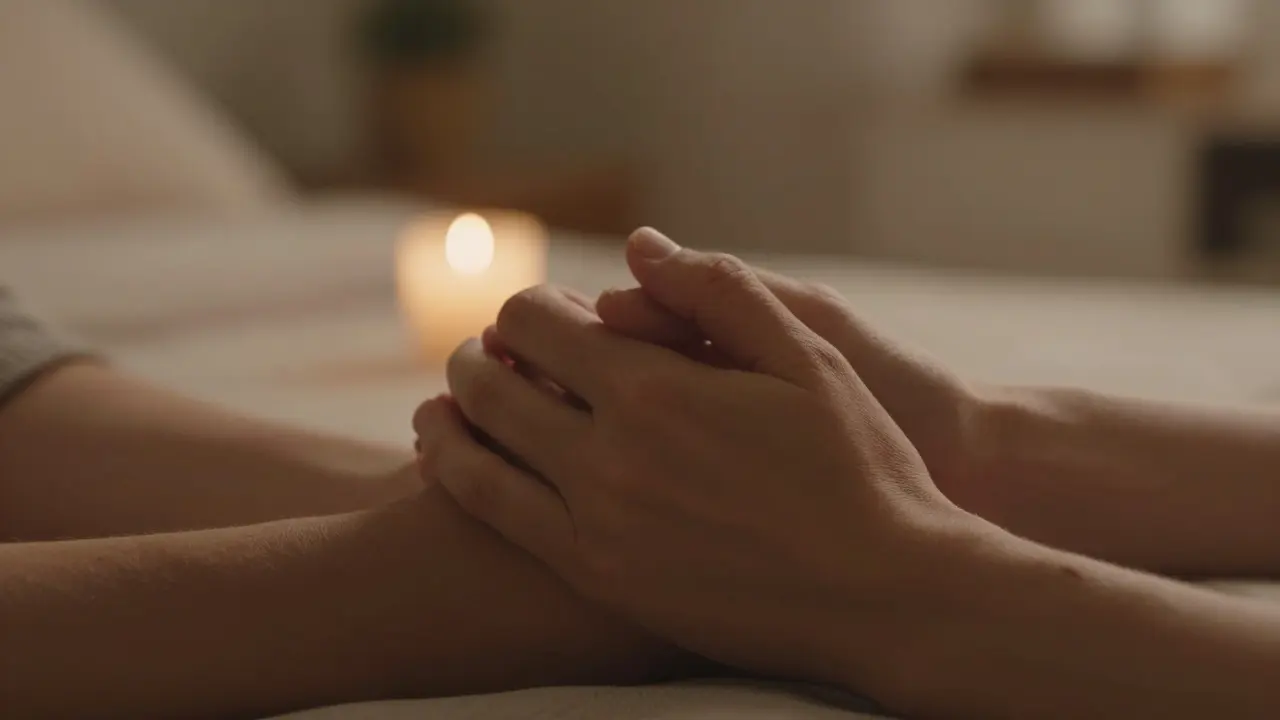
Start with the hands. Hold them for 30 seconds. Feel their temperature. Then move to the shoulders. Use long, sweeping strokes. Don’t rush. If your mind wanders, bring it back to the sensation of skin against skin. This mindfulness aspect is crucial. You are practicing being fully here, with this person.
Try these specific techniques:
- The Shoulder Sweep: Use palms to glide from neck to shoulder blade. Repeat slowly.
- The Foot Rub: Focus on the arch. Many people store tension here. It’s a great entry point if back-to-back contact feels too intense.
- The Chest Hand-Over-Hand: Place one hand on the chest, then cover it with the other. Breathe together. This synchronizes heart rates.
Navigating Common Pitfalls
Even with good intentions, things can go sideways. Here’s what usually trips couples up and how to fix it.
Pitfall 1: Expecting Sex. If one partner expects the massage to lead to sex, and the other doesn’t, anxiety creeps in. Solution: Agree beforehand that this session is *just* for connection. No expectations. If it happens later, great. If not, also great.
Pitfall 2: One Partner Does All the Work. If only one person gives massages, it becomes a chore. Solution: Rotate. Take turns. Make it a shared ritual, not a service provided by one.
Pitfall 3: Rushing Through. 10 minutes isn’t enough to shift the nervous system. Give it at least 20 minutes. Consistency beats intensity. Ten minutes a day is better than an hour once a month.

When to Seek Professional Help
Intimate massage is a powerful tool, but it’s not a cure-all. If your relationship involves trauma, severe conflict, or physical pain, consider pairing this practice with professional support. A licensed therapist can guide you through exercises that address deeper issues. Look for practitioners who specialize in sensate focus, a technique developed by Masters and Johnson that uses graded touch to reduce performance anxiety.
Also, listen to your bodies. If a certain area hurts, stop. Pain is a signal, not a challenge. Respect the boundaries. The goal is comfort, not endurance.
Building a Long-Term Ritual
The magic isn’t in the first session. It’s in the repetition. Over weeks, you’ll notice changes. Arguments become shorter. Laughter comes easier. You start looking forward to that quiet moment together.
Make it part of your weekly routine. Maybe every Tuesday night. Or before bed on weekends. The specific day matters less than the consistency. Your brain starts to associate that time with safety and love. This conditioning strengthens the bond over time.
Finally, keep it simple. You don’t need to master complex techniques. You just need to show up, be present, and touch with care. That’s all it takes to turn a routine into a ritual.
How often should couples do intimate massage?
Aim for at least once a week. Consistency is more important than duration. A 20-minute session weekly is far more effective than a 2-hour session monthly. The regularity helps build neural pathways associated with trust and safety.
Do I need special oils or equipment?
No. While massage oil can reduce friction, clean hands work fine. If using oil, choose a neutral, unscented option like jojoba or almond oil to avoid skin irritation. A soft blanket or towel is helpful for comfort, but nothing else is required.
What if my partner is shy or resistant to touch?
Start small. Begin with holding hands or a gentle shoulder rub for just 5 minutes. Ask for permission before touching. Gradually increase the time and areas touched as comfort grows. Never force it. Resistance often stems from fear of judgment, so emphasize that there is no "right" way to receive a massage.
Is intimate massage the same as sensual massage?
Not necessarily. Sensual massage often focuses on arousal and may lead to sex. Intimate massage, in the context of couple's therapy, focuses on emotional connection, presence, and non-sexual affection. However, the two can overlap. The key difference is intention: one seeks pleasure, the other seeks bonding.
Can intimate massage help with low libido?
Yes, indirectly. By reducing stress and increasing feelings of safety and desirability, it can improve libido. Performance anxiety is a major killer of desire. When touch is removed from the pressure of sexual outcome, it allows the body to relax and respond naturally to affection.